

When Arizona homeowners are thinking about window treatments, the comparison usually comes down to plantation shutters versus blinds. Both provide light control and privacy. Both come in a range of styles. But for homes in the Phoenix metro, there are practical factors in this comparison that are worth understanding before you decide.
Durability in Arizona's Climate
This is the most important factor in the comparison for our market, and it's worth leading with.
Standard horizontal blinds—whether aluminum, faux wood, or real wood—have moving parts: individual slats, tilt cords, lift cords, and headrail mechanisms. In Arizona's climate, these components are under constant stress. The intense UV exposure fades and degrades the material. The heat warps and bends individual slats. The cords dry out, fray, and break. Aluminum blinds survive better than faux wood or real wood in terms of structure, but they fade and dent quickly and don't look premium for long.
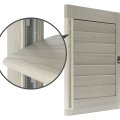
Norman® Woodlore plantation shutters are a different construction entirely. The solid composite core doesn't warp under heat. The factory finish resists UV fading. The shutters have no cords to fray—the louvers are controlled by the tilt rod or hidden tilt mechanism and operated by hand. There's nothing in a Woodlore shutter that Arizona heat reliably destroys.
In 25+ years of shutter installation in this market, we consistently see blinds requiring replacement or repair while the shutters installed during the same period continue performing correctly.
Light Control and Flexibility
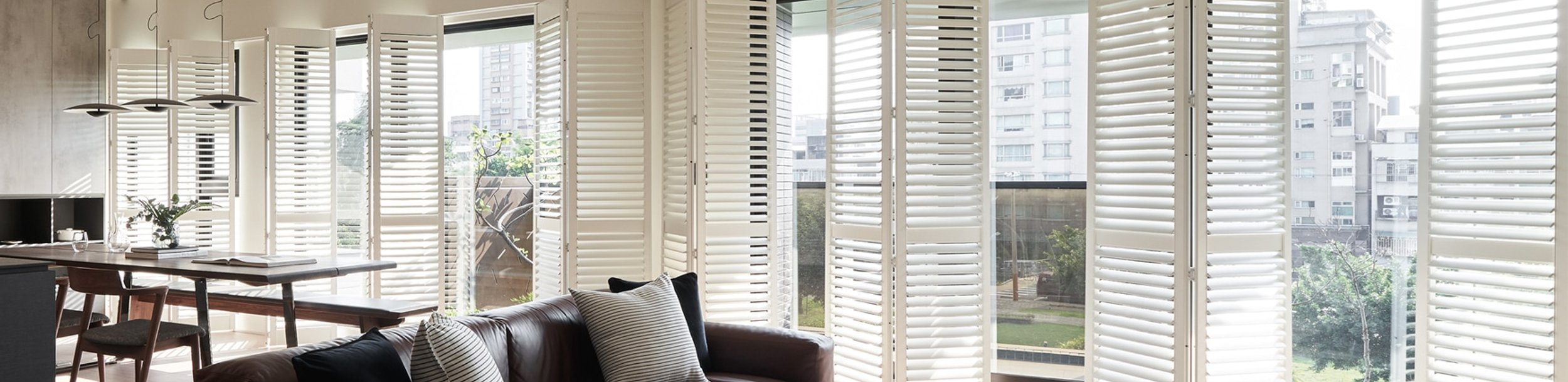
Both plantation shutters and blinds can adjust louver angle to manage incoming light—this is one of their shared strengths over curtains or drapes. The practical experience of using them is different, though.
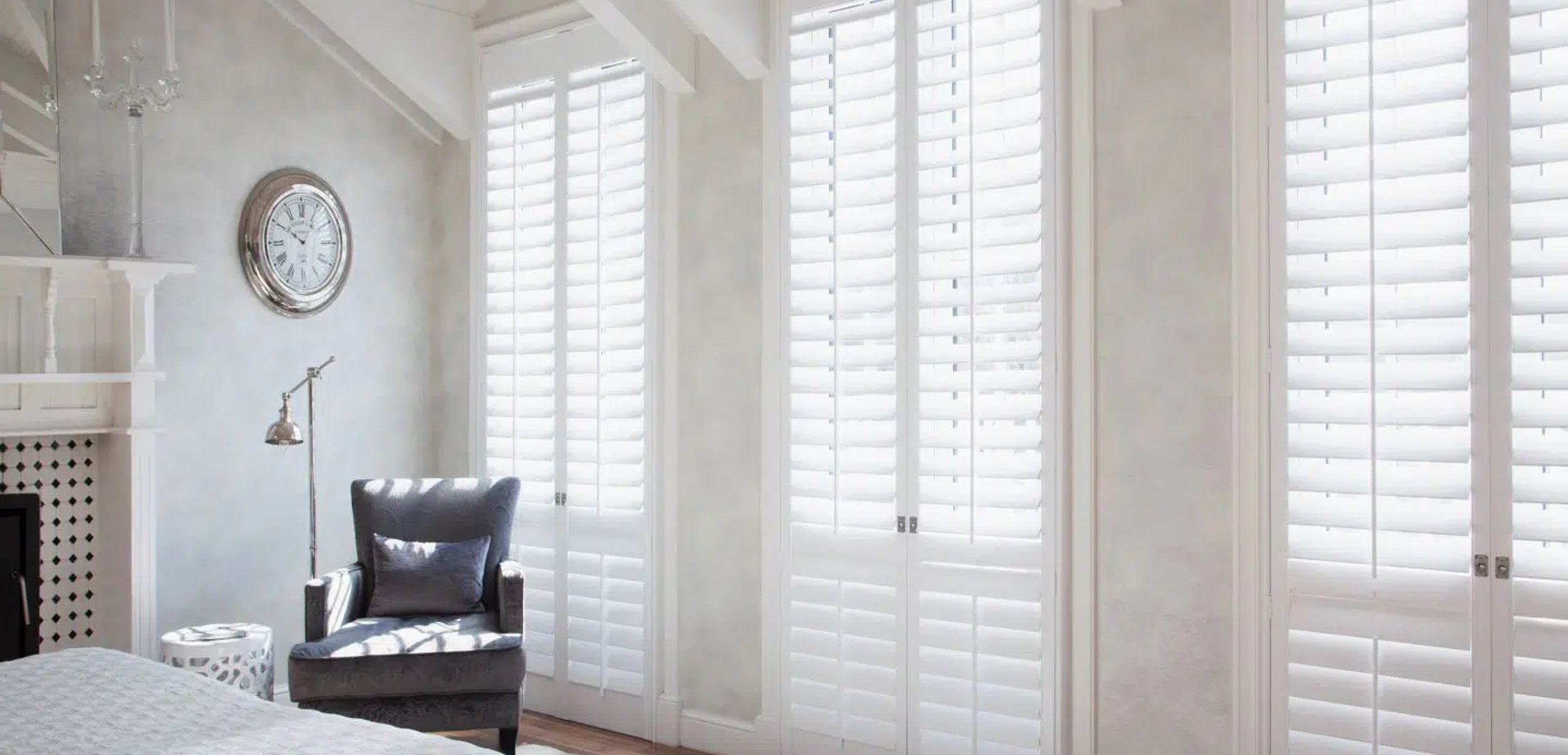
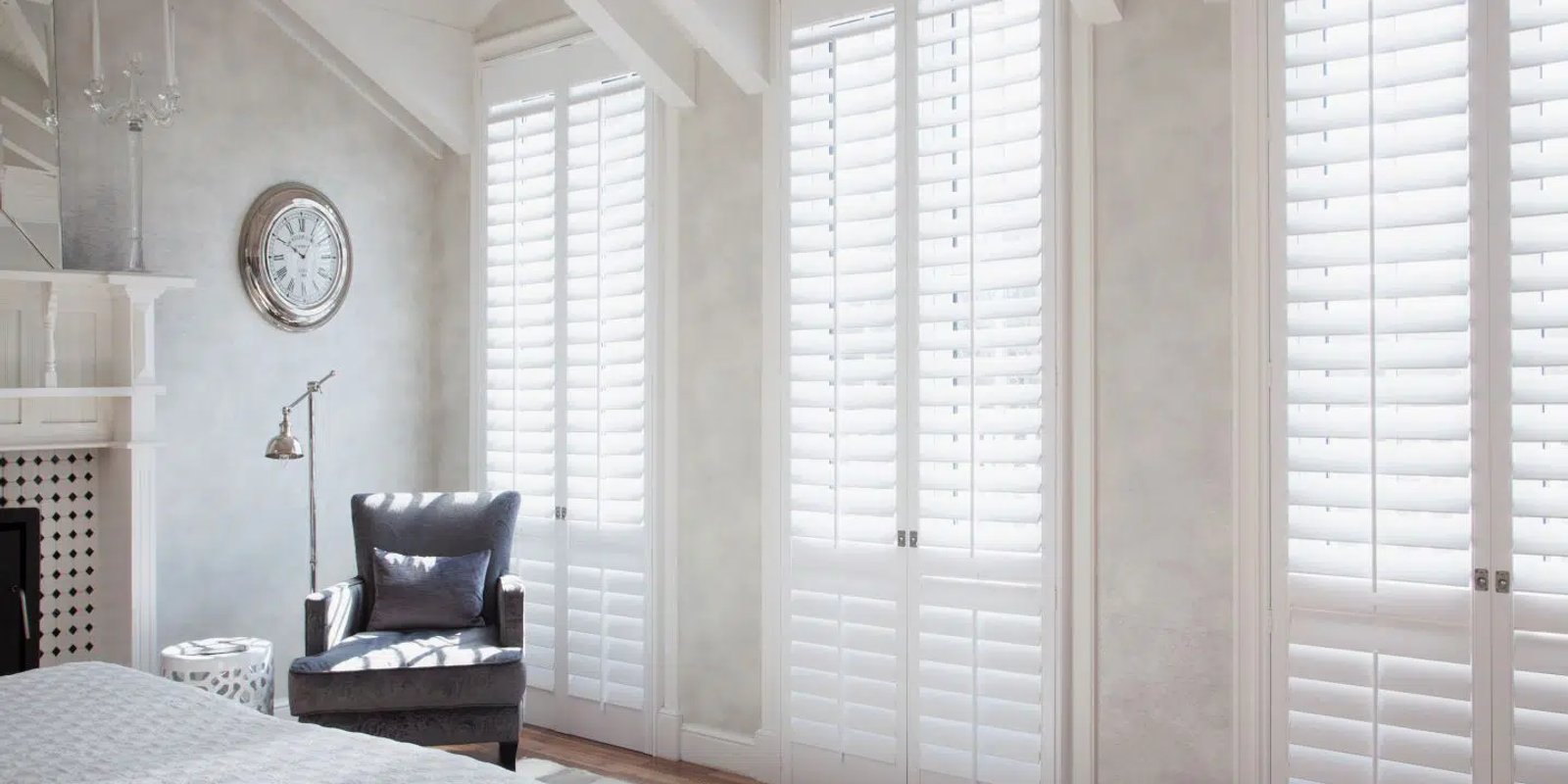
Plantation shutters control light across the full height of the window in a single panel. You tilt the louvers to adjust light evenly, or you can open the panels completely to maximize light and view. For tall windows in Arizona homes, shutters with a divider rail allow you to control the top half and bottom half independently—blocking direct sun from the upper portion while maintaining a view through the lower.
Blinds can achieve similar light control but are generally less precise. The cords and tilt mechanism on blinds tend to become less reliable over time, and uneven louvers—where slats don't align after years of use—are a common aesthetic problem.
Aesthetics and Home Value
Plantation shutters are consistently associated with higher perceived home value than blinds. They're built into the window frame and read as an architectural feature of the room rather than a window covering applied to it. In the Phoenix metro, where shutter-fitted homes are common, the difference is notable to buyers and guests.
Blinds read as utilitarian—functional window coverings rather than design elements. They vary in how well they look depending on material and price, but even premium blinds rarely achieve the visual impact of well-installed plantation shutters.
For homeowners who are thinking about resale value, or who simply want their home to feel more finished and intentional, shutters make a stronger case.
Long-Term Cost
Blinds are cheaper upfront. Plantation shutters are a more significant investment. But the full-cycle cost comparison is less clear-cut than the initial price difference suggests.
Quality blinds in Arizona homes typically last 5–10 years before they need replacement or significant repair—sometimes less on windows with heavy sun exposure. Plantation shutters, properly installed, last 15–20 years with normal care and no significant maintenance. When you factor in the replacement cycle for blinds versus the service life of shutters, the long-term cost difference narrows substantially.
There's also a cleaning consideration. Blinds trap dust in ways that are difficult to clean thoroughly—particularly in Arizona's dusty environment. Plantation shutters have flat louver surfaces that wipe clean easily with a damp cloth.
The Conclusion for Arizona Homes
For most Phoenix metro homeowners, the combination of durability, aesthetics, and long-term value makes plantation shutters the better choice compared to blinds. The upfront investment is higher, but what you get in return—a window treatment that performs well in Arizona's climate, looks like an architectural element, and doesn't require repeated replacement—is worth it.
If you're considering Norman® plantation shutters for your home and want to see the options in person, Shutters Direct AZ offers free in-home consultations throughout the Phoenix metro. We bring Norman® Woodlore samples to your home, show you the options in your actual windows, and give you clear pricing without showroom pressure.
Call (602) 773-7183 or contact us online to schedule your consultation.