

If you've lived in the Phoenix metro for any length of time, you know what our summers do to things. Plastics warp, paint fades, and materials that seemed durable in the showroom start looking rough after a year or two of Arizona sun. Plantation shutters are no different—and the type of shutter you choose makes an enormous difference in how they look and function five years from now.
The Problem With Vinyl Plantation Shutters in Arizona
Vinyl shutters are widely available, commonly sold in Arizona showrooms, and almost universally the cheapest option on the market. They're also the most common shutter we see failing in Phoenix metro homes.
The core issue is thermal expansion. In direct sunlight, surfaces inside Arizona homes can reach temperatures well above the ambient air temperature. Vinyl—which is essentially PVC plastic—expands and contracts significantly with temperature changes. Over time, this cycle of expansion and contraction causes the louvers to bow, the panels to go out of square, and the shutters to lose their alignment.
By June or July of the first Arizona summer, vinyl shutters that looked fine in March start showing problems. The louvers droop. The panels don't close cleanly. Gaps appear. By year two or three, the damage is visible even when you're not looking for it.
UV exposure compounds the problem. Vinyl shutters fade—sometimes unevenly—under intense direct sunlight. The factory color shifts toward yellow or gray, and no amount of cleaning restores the original appearance.
Why Norman® Woodlore Handles the Heat
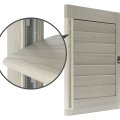
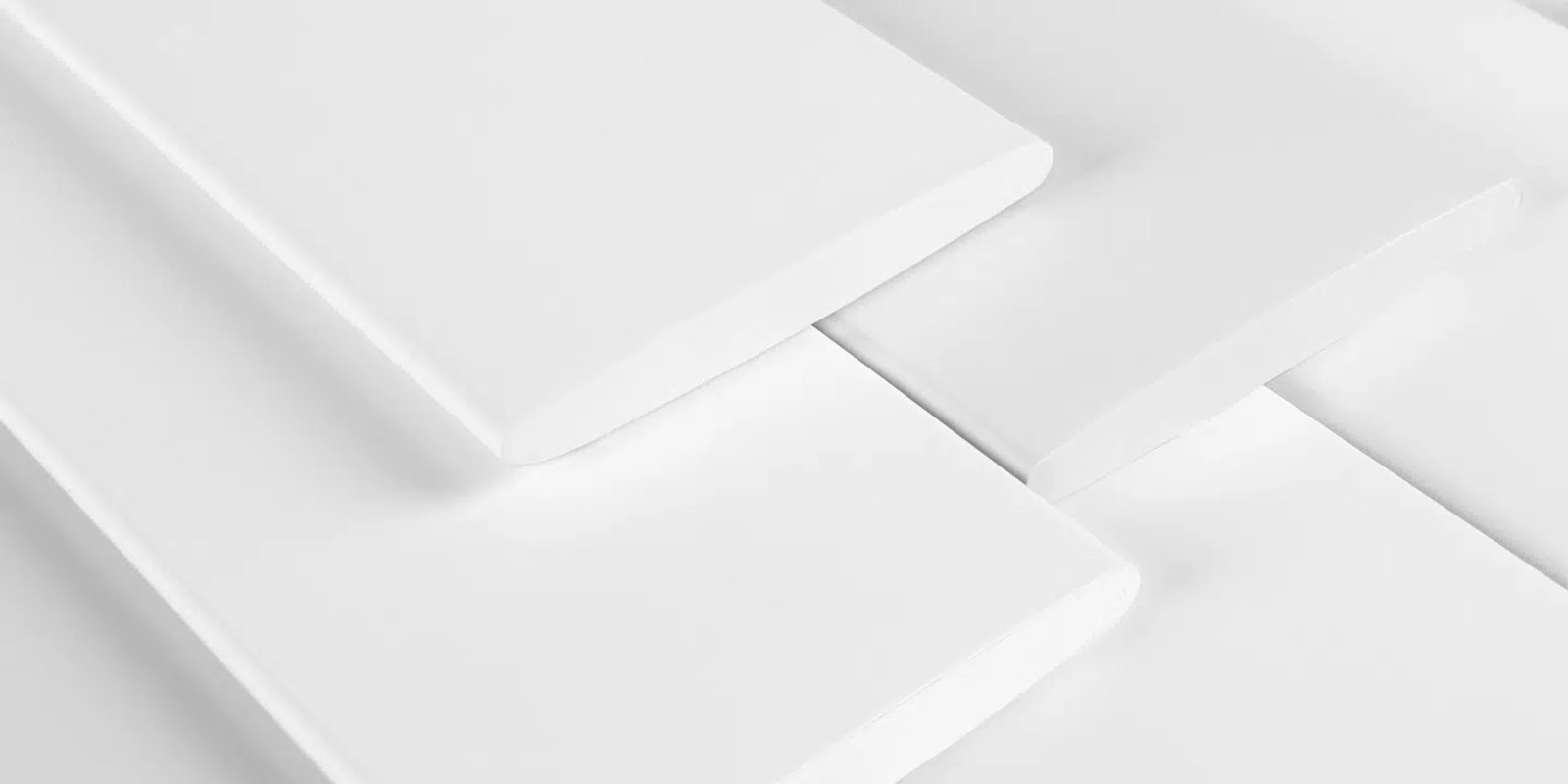
Norman® Woodlore's construction approach is fundamentally different from vinyl. Instead of a hollow or low-grade composite core, Woodlore uses a solid wood composite material—a blend of wood fibers and binding agents that delivers the structural integrity of real wood without wood's susceptibility to moisture and humidity swings.
This solid core doesn't deform under heat the way vinyl does. The louvers hold their shape. The panels stay square. The shutters close cleanly in August the same way they did in January.
The finish is similarly engineered for sun exposure. Norman® applies its factory finish in controlled conditions and formulates it specifically for UV resistance. The color holds consistently over years of Arizona sunlight exposure—you won't see the yellow or gray shift that shows up in vinyl alternatives.
The Difference Over Time
We've been installing shutters in the Phoenix metro for over 25 years. In that time, we've installed products from every major manufacturer and watched how they perform across seasons and years. Vinyl shutters generate more service calls, more complaints, and more replacement projects than any other product category. Norman® Woodlore generates almost none.
That track record is why we decided to specialize exclusively in Norman®. It's not a marketing choice—it's a product performance conclusion we arrived at over decades of real-world experience in this specific climate.
The Cost Question
Vinyl shutters cost less upfront. That's true. But when you factor in the typical lifecycle—vinyl shutters in Arizona that need adjustment, repair, or replacement within three to five years—the cost calculation changes quickly.
Norman® Woodlore costs more at the outset and performs well for 15–20 years with normal care. The shutters that cost a bit more in year one don't require you to think about them again in year four or five.
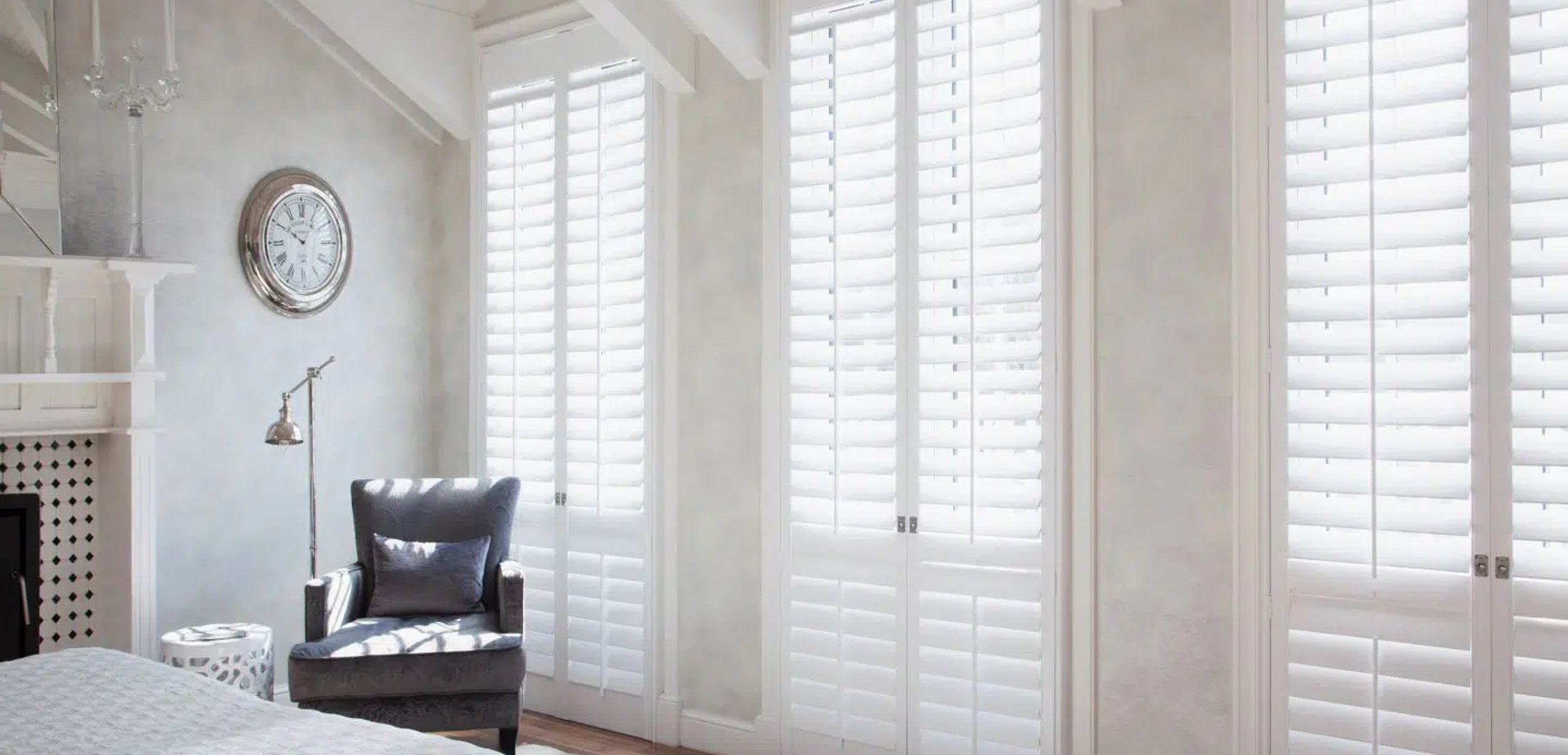
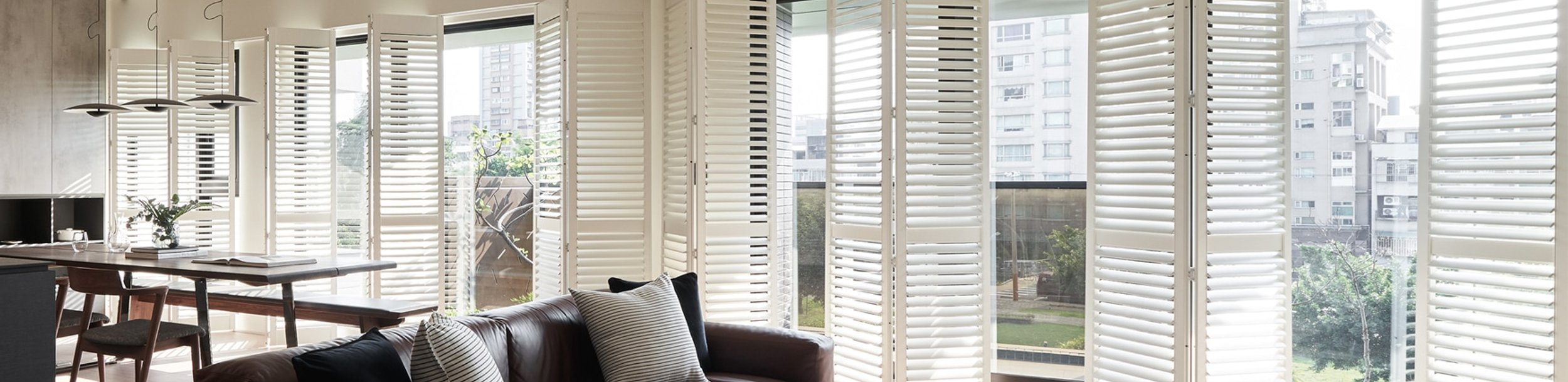
For Phoenix metro homeowners who want to make a decision once and live with the results long-term, Norman® Woodlore is the clear choice. If you'd like to see the product in person, we bring samples to your home during a free consultation—no showroom visit required.
Call us at (602) 773-7183 or contact us online to schedule your free in-home consultation.